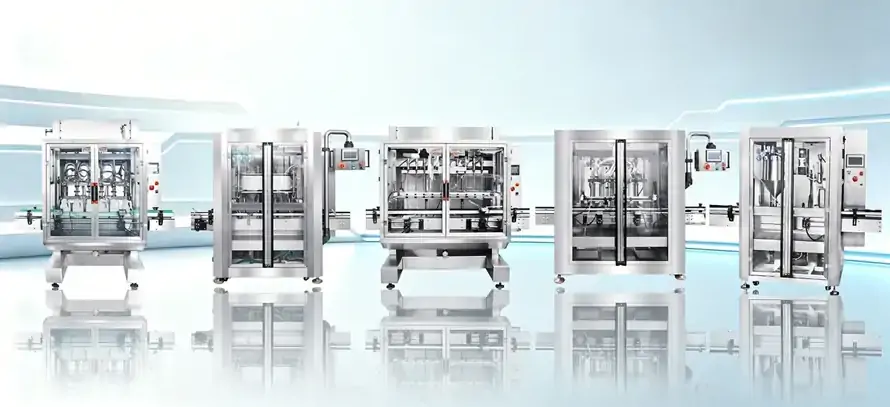
Selecting the right filling machine is one of the most critical decisions for any packaging production line. Whether you are in the food, beverage, pharmaceutical, or chemical industry, the efficiency of your line directly impacts your ROI.
In this guide, we will break down the 5 essential steps to help you choose the perfect filling equipment from Rifumachine that fits your business needs.
1. Analyze Your Product Characteristics
The first step is knowing exactly what you are filling. The physical properties of your liquid or paste determine the type of filler you need:
Viscosity:
-Is your product thin like water, or thick like honey/ketchup? Piston filling machines are ideal for high-viscosity products, while gravity or overflow fillers work better for thin liquids.
Temperature:
-Does your product need hot filling (e.g., fruit juices)?
Particulates:
-Does it contain chunks (e.g., salsa)? You’ll need a machine designed to handle solids without clogging.
2. Container Material and Shape
-Your packaging material—glass, plastic, or metal—affects how the machine interacts with the container.
Shape:Irregularly shaped bottles might require specialized conveyor systems or custom nozzles.
-Neck Size:Ensure the filling nozzles are compatible with your container openings to prevent splashing and waste.
3. Production Speed and Automation Level
How many bottles do you need to fill per hour? Your production goals will dictate the level of automation:
-Manual/Semi-Automatic:
Best for small batches or startups with lower production demands.
-Automatic Filling Machines:
Essential for large-scale operations requiring high speed, consistency, and minimal labor costs.
5. Maintenance and Future Scalability
Invest in a machine that is easy to clean (look for tool-less changeover features) and maintain. B2B buyers should also consider if the equipment can be upgraded. As your business grows, can your semi-automatic machine be integrated into a fully automatic system?
